

Hair Extensions Near Me in Delray Beach for Gorgeous, Natural Looking Hair
Hair Extensions Great hair extensions should not announce themselves. They should move like real hair, blend with your cut, match your color, and feel comfortable enough that you forget they are there.
That is the difference between simply adding hair and creating a polished, natural result.
In Delray Beach, hair extensions are especially popular for good reason. The South Florida lifestyle calls for hair that can handle dinner on Atlantic Avenue, beachy weekends, humid afternoons, weddings, events, and everyday styling without looking overdone. Whether the goal is fuller ends, longer layers, more volume around the face, or a full transformation, the right extensions can make hair look healthier, thicker, and more finished.
The key is choosing the right method, the right hair, and the right stylist. A beautiful result starts long before the first weft, tape, bead, or bond is placed.

Hair Extensions Near Me in Delray Beach: What makes hair extensions look natural
Natural-looking extensions come down to details. Length matters, but it is only one part of the final result. The most believable extensions blend through color, density, placement, cut, and texture.
A common mistake is choosing extensions that are much longer than the natural hair can visually support. If the natural hair is shoulder length and fine, jumping straight to waist-length hair can look heavy or disconnected unless the installation and haircut are carefully planned. The transition from natural hair to extension hair needs softness.
The best extensions look like they grow from the scalp. That means the added hair should match the natural hair’s movement and density. Fine hair usually needs lighter placement and smaller sections. Thick hair may need more grams of hair to avoid stringy ends. Curly or wavy hair needs texture matching so the extensions do not sit straight under natural bends.
Color is just as important. A single flat shade rarely looks natural, especially in the Florida sun. Many people need a mix of tones, such as a rooted blonde, dimensional brunette, soft balayage, or lowlights woven through. Extensions can also help add brightness without bleaching more of the natural hair, which makes them a useful option for anyone trying to reduce chemical processing.
A strong consultation should cover:
Current hair length and density
Desired length and fullness
Natural texture and daily styling habits
Color match in natural light
Scalp sensitivity
Lifestyle, including swimming, workouts, and beach days
Maintenance schedule
Budget for installation and upkeep
The haircut after installation matters too. Even premium hair can look obvious if it is not shaped into the natural hair. A stylist may add face-framing layers, blend the perimeter, soften blunt ends, or customize the density. This finishing step is what turns hair extensions from “added hair” into a cohesive style.
For anyone searching for Hair Extensions near me in Delray Beach, the best place to start is not with the longest length available. Start with a realistic plan for what will look seamless on the hair you already have.
Hair Extensions Near Me in Delray Beach: Popular types of hair extensions and who they work best for
There is no single best type of hair extension for everyone. Each method has strengths, tradeoffs, and maintenance needs. The right choice depends on hair type, scalp comfort, styling routine, and how long the extensions need to last.
Tape-in extensions
Tape-in extensions use thin adhesive tabs that sandwich small sections of natural hair. They lie flat against the head, which makes them a popular option for people who want a smooth, low-profile result.
They work well for many medium to fine hair types because the panels are thin and flexible. Tape-ins are often chosen for adding fullness, filling in the sides, or creating moderate length. They can look very natural when the color match is right and the panels are placed where they stay hidden.
The main thing to know is that tape-ins need careful product choices. Heavy oils, conditioners near the roots, and certain styling products can weaken the adhesive. They also need to be moved up as the natural hair grows.
Tape-ins may be a good fit for someone who wants:
A flat, comfortable installation
Volume and moderate length
A method that works well with straight or softly waved styles
Reusable hair with regular maintenance
They may not be ideal for someone who uses a lot of oil-based products near the scalp or wants a very high ponytail every day.
Keratin bond extensions
Keratin bond extensions, sometimes called fusion extensions, attach small strands of extension hair to natural hair using keratin bonds. Because the bonds are small and placed in individual sections, they can create a very customized result.
This method can be beautiful for adding length, detail, and movement. It allows a stylist to place hair exactly where fullness is needed, including around the sides or through specific layers. Keratin bonds can also create a natural fall because the hair is installed strand by strand.
The tradeoff is that installation takes longer, and removal must be done properly. Bonds should never be pulled out or rushed. A professional removal protects the natural hair and scalp.
Keratin bonds may be a good fit for someone who wants:
A highly customized installation
Natural movement
Long-lasting wear between appointments
Flexible styling options
They may not be the best fit for someone who wants quick installation or does not want to commit to careful maintenance.
Hand-tied and beaded weft extensions
Hand-tied wefts and other beaded weft methods use rows of hair attached with small beads. The stylist creates a foundation with the natural hair, then attaches wefts to the row. This method can create a lot of fullness and length with fewer attachment points than strand-by-strand methods.
Wefts are popular for full transformations. They can turn thin ends into fuller, longer hair and often create a glamorous result. The rows need to be placed carefully so they feel comfortable and stay hidden when the hair moves.
This method depends heavily on the stylist’s training and tension control. Rows that are too tight can feel uncomfortable. Rows placed poorly may show when the hair is worn up. A strong stylist will consider head shape, hair density, growth patterns, and the way the client likes to style their hair.
Weft extensions may be a good fit for someone who wants:
Noticeable fullness
Longer lengths
A fuller perimeter
Reusable hair with move-up appointments
They may not be ideal for very fragile hair or for someone who wants the lightest possible feel.
Micro-link and I-tip extensions
Micro-link or I-tip extensions attach small strands of extension hair with tiny beads. No heat or adhesive is used for installation, which appeals to people who want to avoid glue-based methods.
Like keratin bonds, I-tips allow for detailed placement. They can move naturally and offer flexible styling. The beads need to be installed with the right amount of hair in each section so the attachment is supported.
This method requires regular maintenance. As the hair grows, the beads move farther from the scalp and need adjustment. If maintenance is skipped, tangling near the attachment points can happen.
I-tips may be a good fit for someone who wants:
Strand-by-strand movement
No adhesive
Flexible styling
Custom fullness
They may not be ideal for someone who cannot keep up with scheduled maintenance.
Clip-in and halo extensions
Clip-ins and halo extensions are temporary options. They are added for the day and removed before sleeping. They can be great for events, photos, weddings, or anyone who wants fullness without a long-term commitment.
Clip-ins attach with small clips. Halo extensions use a clear wire-like band that sits around the head, with the natural hair placed over it. Both can add instant length or volume when matched and styled well.
Temporary extensions are not a replacement for professional installations, but they are a practical choice for occasional wear. They are also useful for testing how longer or fuller hair feels before committing to a semi-permanent method.
Temporary extensions may be a good fit for someone who wants:
Event hair
No salon maintenance
Occasional volume
A lower-commitment option
They may not be ideal for daily wear if they cause pulling or if the clips are placed in the same spots repeatedly.

How to choose the right extensions for Delray Beach weather and lifestyle
South Florida hair has its own personality. Humidity, sun, salt air, pool water, and frequent washing can all affect how extensions look and feel. A method that works beautifully in a dry climate may need extra care in Delray Beach.
Humidity can encourage frizz, especially when the extension texture does not match the natural hair. If the natural hair waves or expands in moisture but the extension hair stays smooth, the blend can separate. Texture matching helps prevent that. So does using the right smoothing products from mid-lengths to ends.
Beach and pool days require planning. Salt water and chlorine can dry out both natural hair and extension hair. Extensions do not receive natural scalp oils the same way growing hair does, so they need moisture and gentle handling. Before swimming, many stylists suggest wetting the hair with fresh water and applying a light leave-in conditioner through the ends. After swimming, rinse the hair as soon as possible and detangle gently.
Sunscreen can also affect extensions. Some sunscreen ingredients may discolor lighter extension hair, especially blondes. This can cause peachy or orange tones that are hard to remove. A stylist can recommend safer product choices for beach days, especially for light blondes and highlighted looks.
Daily styling habits matter too. Someone who air-dries natural waves needs a different extension plan than someone who uses a round brush every morning. Someone who wears gym ponytails, claw clips, or sleek buns every day needs placement that supports those styles.
A good Delray Beach extension plan should account for:
Humidity and frizz control
UV exposure
Salt water and chlorine
Frequent washing after beach or workouts
Lightweight styling products
Comfortable wear in warm weather
Updos, ponytails, and casual coastal styling
The goal is hair that fits real life. Extensions should not feel like a fragile accessory that only works under perfect conditions. With the right method and routine, they can hold up beautifully through normal South Florida days.
What to expect during a professional extension appointment
A professional extension service usually begins with a consultation. This is where the stylist studies the natural hair, asks about goals, and explains which methods make sense. The consultation is also the time to talk honestly about maintenance, cost, styling, and hair health.
A stylist may ask about past color services, medications that affect shedding, recent hair loss, scalp sensitivity, and how the hair is usually worn. These questions are not meant to discourage extensions. They help protect the natural hair and create a result that lasts.
Color matching may happen during the consultation or before installation. Some clients need custom coloring before extensions are added. Others may need the extension hair toned, rooted, or blended. A perfect match often includes several shades rather than one solid color.
On installation day, the stylist usually starts with clean, dry hair. Depending on the method, the appointment may take a few hours or most of the day. The stylist sections the hair carefully, places the extensions, checks balance and comfort, then cuts and styles the finished result.
The cut after installation is not optional. It is part of the service. Without blending, extensions can sit like a curtain under natural hair. With the right cut, they move as one shape.
A polished extension appointment often includes these steps:
Consultation and method selection
Color matching or custom color planning
Preparation of natural hair
Careful sectioning and installation
Comfort check and balance check
Blending haircut
Styling lesson and home-care guidance
The styling lesson is especially useful. Extensions can change how hair behaves. There may be new brushing habits, drying techniques, or product rules. Learning these early helps prevent tangling, slipping, dryness, and stress on the natural hair.
A healthy installation should not hurt. Some mild awareness may happen for the first day or two, especially with methods that attach near the scalp, but sharp pain, tight pulling, or headaches are not normal. Comfort matters. If something feels wrong, it should be adjusted.
How to care for hair extensions so they stay beautiful
Hair extensions need consistent care, but the routine does not have to be complicated. The main goals are to keep the attachment points clean, protect the mid-lengths and ends, prevent tangling, and avoid unnecessary tension.
Brushing is one of the most important habits. Use an extension-friendly brush and start at the ends. Work upward in sections while supporting the hair near the attachment points. Brushing too aggressively from the root can pull on bonds, beads, tapes, or wefts.
Washing should be gentle. Focus shampoo at the scalp and let the suds move through the ends. Conditioner belongs mostly from mid-lengths down, unless the stylist says otherwise for the method. Heavy conditioner near tapes or beads can cause slipping or buildup.
Drying matters too. Sleeping with wet extensions can lead to tangling and matting. The roots and attachment areas should be dried carefully. The ends can often be finished with a blow dryer, round brush, or heat tool, depending on the desired style.
Heat protection is non-negotiable. Human hair extensions can usually be heat styled, but they can dry out with repeated curling, flat ironing, and blow-drying. A heat protectant helps, and lower heat settings are often enough.
Before bed, loose braids or a low ponytail can reduce friction. A silk or satin pillowcase can also help keep hair smoother overnight.
Simple extension-care habits include:
Brush gently in the morning and before bed
Hold the hair while detangling to reduce tension
Use sulfate-free or extension-safe shampoo when recommended
Keep heavy oils and conditioners away from attachment points
Dry the roots before sleeping
Sleep with hair loosely secured
Use heat protectant before hot tools
Book move-up or maintenance appointments on schedule
Maintenance timing varies by method and hair growth. Tape-ins, wefts, and bead-based methods need move-ups. Keratin bonds are usually worn for a set period and then removed and replaced. Clip-ins and halos need cleaning and storage but not salon move-ups.
Skipping maintenance can damage the natural hair. As extensions grow out, they can twist, tangle, or place uneven stress on the strands. A clean, timely move-up keeps the style comfortable and protects the investment.
Extension hair also has a lifespan. Even high-quality hair does not last forever. Heat, washing, sun, brushing, and product use all affect softness and shine. When the ends become dry, thin, or hard to style, it may be time for replacement hair.
How to find a salon that does extensions well
Choosing a stylist is one of the most important decisions in the process. Hair extensions are both a beauty service and a technical skill. A stylist needs to understand placement, tension, color, hair health, and cutting. The wrong installation can look unnatural or cause avoidable stress on the natural hair.
Look for a salon that offers consultations and explains options clearly. A strong stylist will not push one method for everyone. They will talk through what works for the hair type, the desired result, and the maintenance routine.
Photos can help, but look closely. Before-and-after images should show the hair from different angles, not only curled from the front. Curls can hide blending issues. Straight or softly waved photos often reveal the true quality of the work.
Good signs include:
Clear discussion of method choices
Honest guidance about what is realistic
Attention to scalp comfort and hair health
Strong color matching
Customized cutting after installation
Clear home-care instructions
Maintenance planning before the client leaves
Be cautious if a service promises dramatic results without looking at the hair in person. Also be careful with pricing that seems unusually low. Quality hair and skilled installation require training, time, and proper materials. Extensions are an investment, and the cheapest option can become expensive if it leads to damage or poor blending.
A consultation should leave the client feeling informed, not pressured. The stylist should explain how much hair is needed, how long the appointment may take, how often maintenance is required, and how the style will fit daily life.
For Delray Beach specifically, it helps to choose someone who understands warm-weather hair. Extensions need to survive more than a salon mirror moment. They should look good after humidity, dinner plans, beach air, and regular styling.
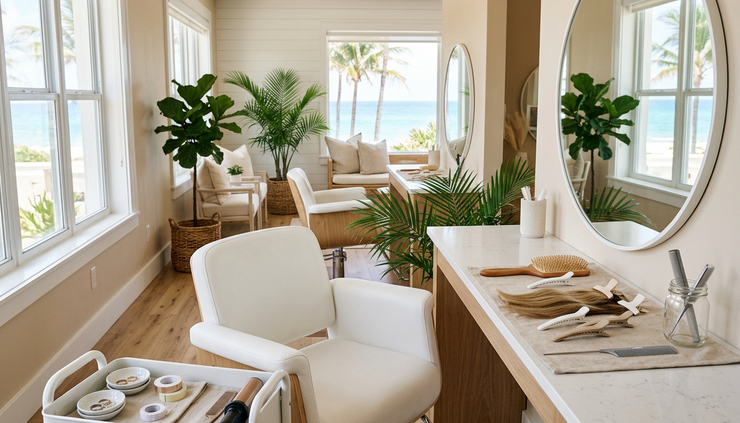
The real value of natural-looking extensions
Hair extensions are often associated with length, but many of the best transformations are subtler. A few rows or panels can fill in thin sides. Strategic placement can make a bob look fuller. Extensions can add shape to hair that has become fine at the ends. They can also help grow out a haircut by creating the appearance of more even length during the awkward stage.
For people with breakage from color, heat, or past styling, extensions can create a fuller look while the natural hair grows. The key is to avoid placing too much weight on fragile areas. A careful stylist will protect those sections and choose a method that does not overload the hair.
Extensions can also change the way a haircut behaves. Fine hair may hold waves better with added density. Layers may look more balanced. A ponytail may feel fuller. Down styles may need less teasing or product to look finished.
The best results still look like the person wearing them. That may mean collarbone-length fullness instead of waist-length drama. It may mean adding volume only through the lower half. It may mean choosing a soft, sunlit brunette blend instead of a high-contrast color.
Natural-looking hair extensions should enhance the style, not overpower it.
That is why communication matters so much. Bringing reference photos can help, but the final plan should be based on the actual hair in the chair. A look that works for thick, dense hair may need adjustment for fine hair. A bright blonde inspiration photo may require a color plan before extensions can match. A long, heavy style may need more hair and more maintenance than expected.
When the plan is thoughtful, extensions can feel easy. They become part of the routine, not a daily struggle.
A beautiful extension result starts with the right plan
Gorgeous extensions are not only about adding inches. They are about proportion, comfort, healthy placement, and daily wearability. The best results come from matching the method to the person, the hair, and the lifestyle.
In Delray Beach, that means thinking beyond the salon chair. Hair needs to move naturally in humid air, handle nights out, survive casual beach days, and still feel good during a normal week. The right extensions can do all of that, but they need skilled installation and steady care.
Start with a consultation. Ask questions. Talk about maintenance. Be honest about styling habits. Choose a method that protects the natural hair and creates the kind of beauty that looks effortless up close.
When extensions are matched, placed, cut, and cared for well, the result is simple: fuller, longer, softer-looking hair that still looks like your own. Click here to schedule your consultation amandamajor.com/newclient.


