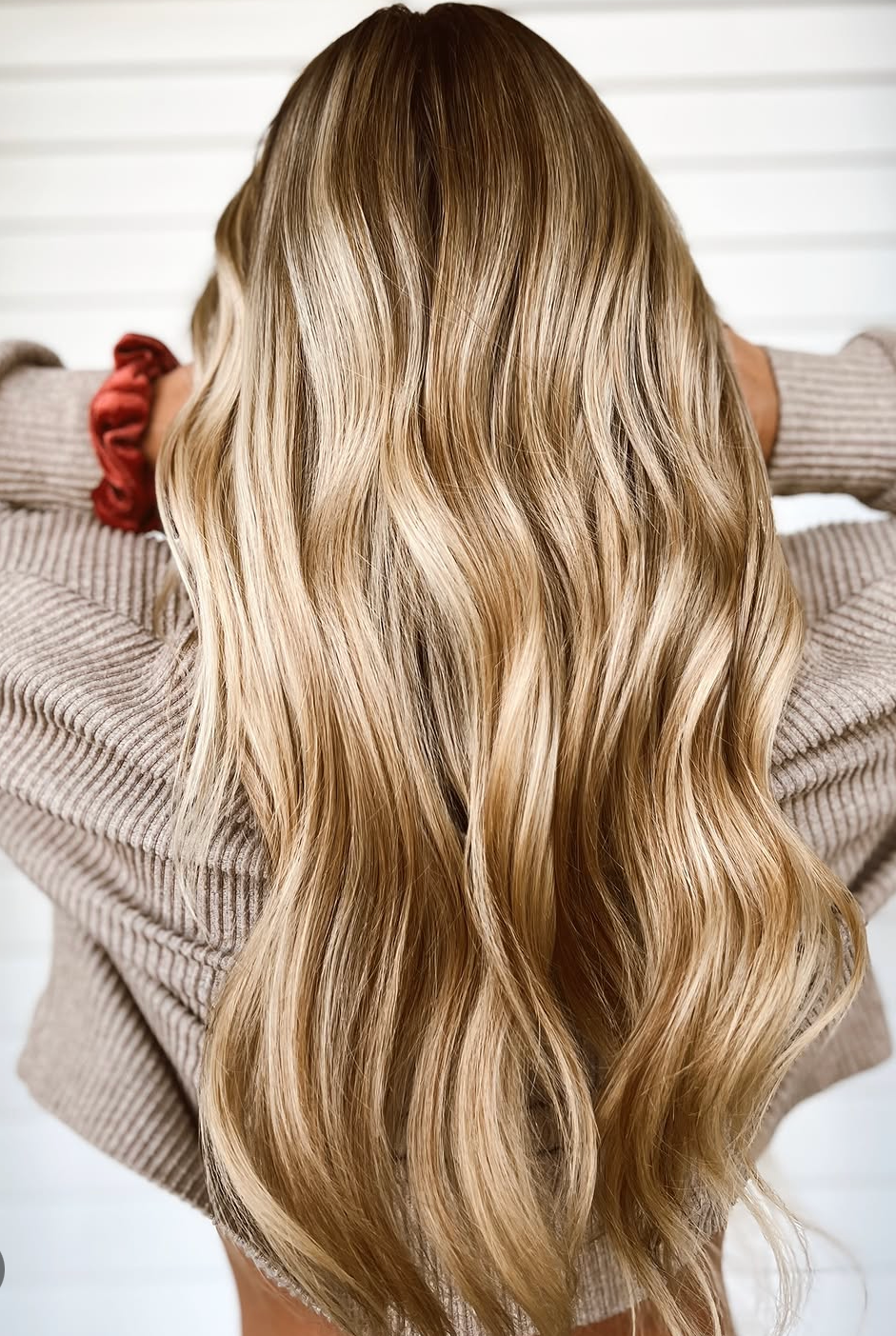
Natural-Looking Hair Extensions: How to Achieve the Perfect Blend with Your Hair
Updated: Jul 29
Hair Extensions: Hair extensions can transform your look, adding length, volume, and style options. But the key to a stunning result is making sure they look natural. Extensions that stand out or feel heavy can ruin the effect. The goal is to blend them seamlessly with your own hair, matching thickness, texture, and cut. This post explains how to achieve that perfect blend so your extensions look like a natural part of your hair.
Understanding the Importance of a Natural Look with Hair Extensions
When hair extensions are applied well, they enhance your hair without drawing attention to themselves. The best extensions mimic your hair’s natural movement and thickness. If they don’t blend properly, the difference in texture or volume becomes obvious, making the extensions look fake or bulky.
Natural-looking extensions should:
Match your hair’s texture, whether straight, wavy, or curly
Blend with your hair’s thickness, avoiding sudden volume changes
Work with your haircut, especially if you have layers
Move naturally with your hair when styled or in the wind
Getting these details right takes skill and attention, but the results are worth it.
Matching Thickness and Texture
One of the biggest challenges with extensions is matching the thickness and texture of your natural hair. Extensions that are too thick can look heavy and unnatural. Those that are too thin may not add the desired volume.
How to Match Thickness
Assess your natural hair density before choosing extensions. Fine hair needs lighter, thinner extensions.
Choose extensions that have a similar strand thickness to your hair.
Avoid using too many extension strands if your hair is fine. This can create a bulky look.
For thick hair, use extensions with a fuller density to avoid gaps.
How to Match Texture
Select extensions that match your hair’s natural texture. For example, curly hair needs curly extensions.
If your hair is wavy, choose extensions with a similar wave pattern.
Some extensions can be styled with heat tools to better match your hair texture.
Avoid mixing very different textures, as this creates an obvious contrast.
The Role of Haircuts and Layers
Extensions work best when they are cut and blended into your natural hair. Long layers are often the ideal haircut to blend extensions, especially if you want length without bulk.
Why Long Layers Help
Layers create movement and reduce the appearance of thickness at the ends.
They allow extensions to blend smoothly with your hair’s natural shape.
Layers prevent a blunt, heavy look that can make extensions obvious.
Stylists can cut extensions into your hair to match your layered style.
Tips for Layering with Extensions
Ask your stylist to cut your extensions after they are applied.
Avoid very blunt cuts if you want a natural look.
Use thinning shears to soften the ends of your hair and extensions.
Regular trims keep the blend fresh and natural over time.
Choosing the Right Type of Extensions
There are many types of hair extensions, and some blend better than others depending on your hair type and lifestyle.
Clip-In Extensions
Easy to apply and remove.
Best for occasional use.
Can be cut and styled to blend well.
May be more noticeable if not placed carefully.
Tape-In Extensions
Semi-permanent and lightweight.
Lay flat against the scalp for a natural look.
Blend well with layers and texture.
Require professional application.
Sew-In (Weave) Extensions
Secure and long-lasting.
Work well for thick hair.
Can be styled and cut to blend naturally.
May feel heavy for fine hair.
Fusion or Bonded Extensions
Attached strand by strand.
Offer a very natural look when done correctly.
Can last several months.
Require professional removal to avoid damage.
Styling Tips to Enhance the Blend
How you style your hair with extensions affects how natural they look. Proper styling helps extensions move with your hair and avoid obvious lines.
Use a curling iron or straightener to match your hair’s natural texture.
Avoid heavy products that weigh down extensions.
Brush gently to prevent tangling and breakage.
Style your hair in loose waves or soft curls to blend layers.
Avoid tight ponytails or buns that reveal extension bonds.
Maintaining Your Extensions for a Natural Look
Keeping your extensions healthy and well-maintained ensures they continue to blend naturally.
Wash extensions with sulfate-free shampoo and conditioner.
Avoid excessive heat styling to prevent damage.
Detangle extensions daily with a wide-tooth comb.
Schedule regular salon visits for adjustments and trims.
Sleep with your hair braided or in a loose ponytail to reduce tangling.
Common Mistakes to Avoid
Using extensions that are too thick or too thin for your hair.
Skipping the haircut step after applying extensions.
Choosing the wrong texture or color.
Applying extensions too close to the scalp or unevenly.
Neglecting maintenance and care.
Click the link in our bio to fill out our new client form to schedule your consultation.